Residential Recycling Services
We care about a cleaner environment and are increasing our efforts to make recycling in your area easier and more convenient.
Request Residential Recycling
Check the recycling service availability in your area and get a clear pricing structure. For residents outside of this area, find your nearest drop off location.
Sign up for the most suitable recycling plan and set up your account swiftly and securely.
Start your journey towards a greener lifestyle with our recycling program.
What Goes in the Recycling Bin?
Residential recycling options may vary by location, so it's important to check with your local recycling options and guidelines in your area.
Please note: Curbside recycling is currently only available for residents within city and the urban growth boundary (UGB).
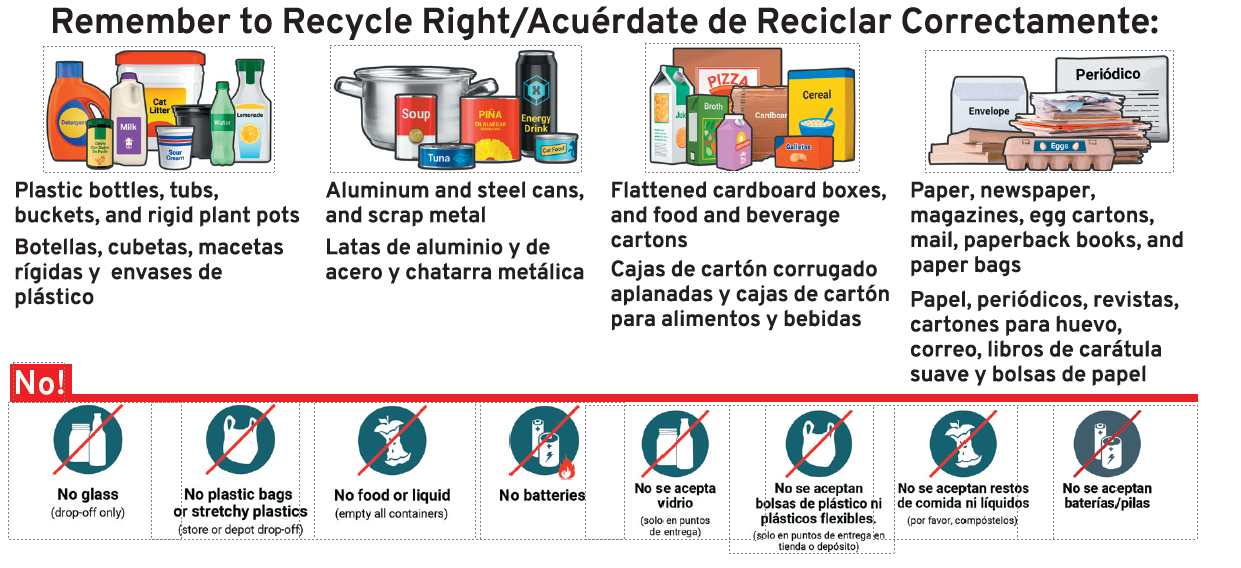
Acceptable Items
Cardboard and Cartons
- Corrugated cardboard
- Flattened cardboard
- Packaging boxes
- Frozen food boxes
- Aseptic and gable top food and beverage cartons
*Pizza boxes must be empty with no food residue
Paper
- Newspaper
- Magazines
- Office paper
- Molded, fiber, non-foodservice packaging (like egg cartons)
- Paperboard
- Paperback books
- Paper bags
- Non-metallic gift wrap
Plastic
- Bottles, jugs, and jars
- Round container tubs
- Buckets (5-gallons or less)
- Rigid plant pots
*All items must be 2 in by 2 in or larger
Metal
- Aluminum and steel cans
- Pots & pans
*less than 10 lbs and 18in.
Unacceptable Items
Bagged recylables
Batteries
Food or liquids (empty all containers)
Styrofoam
Plastic bags or stretchy plastics
Frozen food boxes
Shredded Paper
Hoses, cords, or wires
Glass (use drop-depots)
Electronics (use Oregon E-Cycles)
Hazardous Waste (local collection event)
Clothing (donate)
Yard Waste
Other items may need to be added to the unacceptable items list based on audit outcomes.

How To Prepare Recyclables
Remove all packaging (Styrofoam, peanuts, plastic, bubble wrap, plastic liners, etc.)
Cover loose paper with heavier containers to prevent it from blowing away.
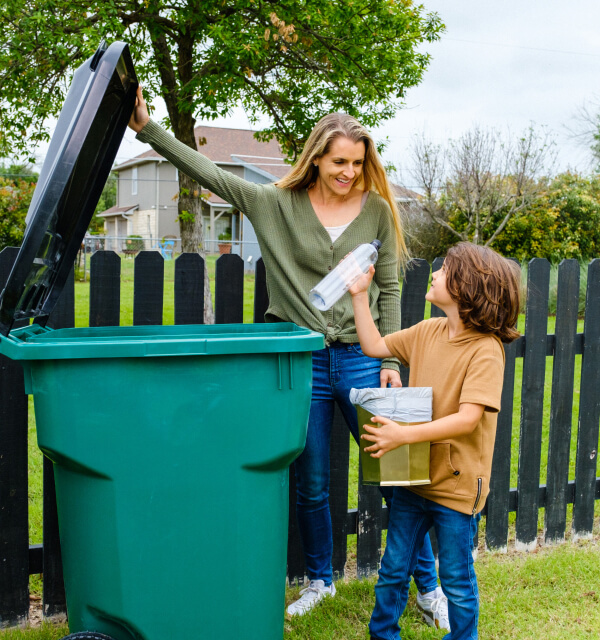
Do not place plastic bags your recycle bin: Always place your recyclables directly in your recycling container.
Plastic
- Clean, dry empty about 90% clean
- It is OK to leave on labels, screwable caps and neck ringsPaper & cardboard
- Flatten ALL boxes
- We accept phone books & other soft cover books
Recycling FAQs
You can recycle paper, cardboard, plastic containers, metal cans, and some new items like cartons (milk, juice, soup boxes) and certain plastics. All items must be empty, clean, and dry.
- Aluminum cans
- Bulky plastic containers
- Cardboard
- Cartons such as soy milk and broth
- Magazines
- Mail, office paper
- Metal/tin cans
- Metal paint cans - empty only
- Metal pots and pans - less than 10 pounds and 18 inches
- Mixed paper
- Molded fiber packaging such as paper egg cartons
- Newspaper
- Nursery (plant) packaging
- Office paper
- Paperback books
- Paper bags
- Paperboard such as cereal and cracker boxes
- Phone books
- Pizza boxes - minimal grease OK. No food
- Plastic bottles, jugs and jars - cap OK if screwed on. 2 inches by 2 inches or larger
- Plastic buckets - lids OK if snapped on
- Plastic flower pots - no crinkly pots or trays
- Plastic tubs - no lids. 2 inches by 2 inches or larger
- Small scrap metal - less than 10 pounds and 18 inches
- Wrapping paper - non-metallic
The statewide list of recyclable materials and community specific lists can be found here: https://recycleon.org/oregon/
These items do not go into the recycling cart: plastic bags, shrink wrap, styrofoam, food waste, dirty containers, batteries, electronics, hazardous items, or glass.
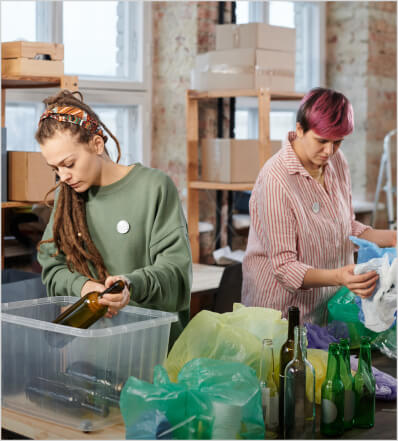
Glass recycling must be dropped off at a local recycling depot.
Other items can be dropped off at the Recycle On Container at the Transfer Station, including:
- Beverage package handles made of HDPE (#2)
- Polyethylene bags and wrap
- Buckets and pails made of HDPE (#2)
- Aluminum foil and pressed foil products (including lids if snapped on securely)
- Lids made of HDPE (#2)
- Shredded paper and PP (#5) placed in paper bags.
To find a Drop-Off location near you, visit Recycling Centers - RecycleOn
Curbside recycling will be picked up every other week. Your exact pickup day will depend on your route. Each customer will receive a schedule and be notified of any changes. The carts are 95 gallons and are designed to hold two weeks of recyclable material.
Yes, but a quick rinse is enough. It doesn’t need to be perfect, but no food or liquid inside.
When in doubt, toss it out!
If contamination happens, your cart may be tagged, and you will be notified. Education and clarification materials can be provided. Repeated issues could lead to additional actions
Your recycling is taken to a sorting facility, separated by material, and sent to manufacturers to be made into new products. The new system requires better tracking to ensure materials are actually recycled responsibly.
Reducing waste and increasing recycling at home is an excellent way to minimize your environmental impact and contribute to sustainability.
Here are some practical tips to help you achieve these goals:
1. Know Your Local Recycling Guidelines:
Familiarize yourself with the recycling guidelines specific to your area. Different regions may have varying rules and accepted materials.
2. Set Up a Recycling Station:
Create a designated recycling area in your home with separate bins or containers for different recyclables (e.g., paper, plastic, glass, metal). Make it convenient for family members to recycle.
3. Reduce Single-Use Plastics:
Minimize your use of single-use plastics like plastic bags, bottles, and straws. Opt for reusable alternatives such as cloth bags, stainless steel bottles, and reusable straws.
4. Avoid Over-Packaged Products:
Choose products with minimal packaging whenever possible. Buying products in larger quantities can reduce packaging waste.
5. Use Reusable Containers:
Replace disposable containers and wrapping with reusable options for food storage and transportation.
6. Mindful Shopping:
Before making a purchase, consider whether you really need the item and whether it is recyclable or reusable. Choose products made from recycled materials when possible.
By implementing these practices, you can significantly reduce waste and increase recycling at home, contributing to a more sustainable and environmentally friendly lifestyle.
Still have questions about curbside recycling? Contact us today to speak to one of our representatives.
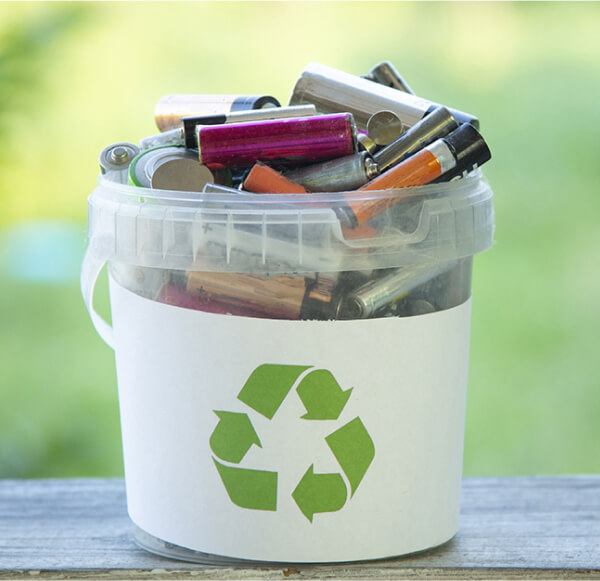
Incorrect Battery Disposal Can Cause Fires
Common household items seem harmless, however, the batteries in them pose risks when disposed into regular garbage or recycling containers because of their highly flammable nature.

Remove the batteries
Check the electronic devices you need to dispose of. If possible, remove the batteries. If not, bring the whole device to the drop off location.
Store batteries in a safe place
Store batteries in non-metallic containers (plastic, cardboard, or glass) that do not conduct electricity if there is a spark.
Find your local drop off
Find a local electronic disposal store, or find a drop off location near you.
.png)
Proper Paint Disposal
Dispose of leftover paint safely by taking it to an approved drop-off location. Proper disposing of paint helps protect your community and the environment.